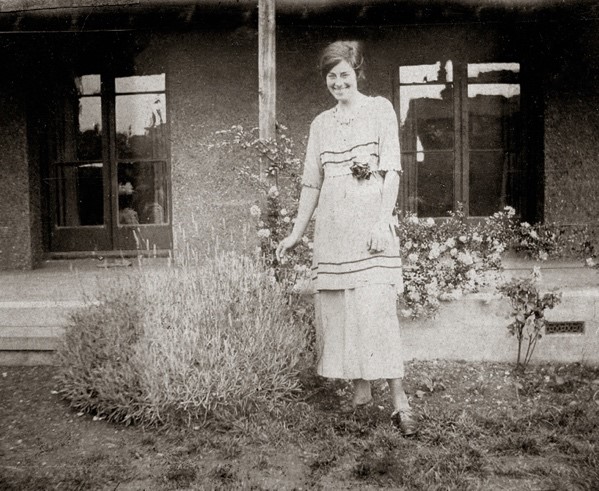
The Norman Davies’ niece, Rosemary Darville, fondly relates the story of her own family’s time in Oyama: For their honeymoon the Davies set off on a long journey by ship around the world, search-ing for a place to settle. When they reached Oyama after having visited many countries, Norman and Jean...
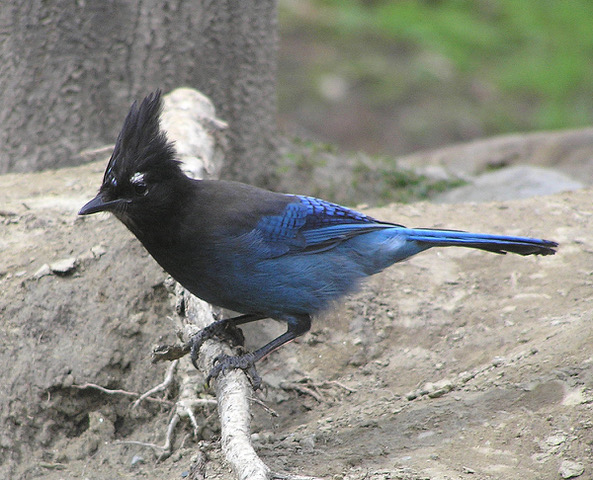
Our valley is home to two jays, members of the corvid family, (which includes crows,ravens, magpies and so on). These are the Canada Jay, formerly called the Gray Jay, and theSteller’s Jay. I wrote an article about Canada Jays in the fall of 2017 for this blog.* This timelet’s look at the other...
Written by Asha Chloe CraigExclusive for lakecountrymuseum.com In Central Okanagan Public Schools, there is a program where young students can learn from the land of the Okanagan Valley. Here, indigenous students have the opportunity to celebrate and learn about their cultural history, which...
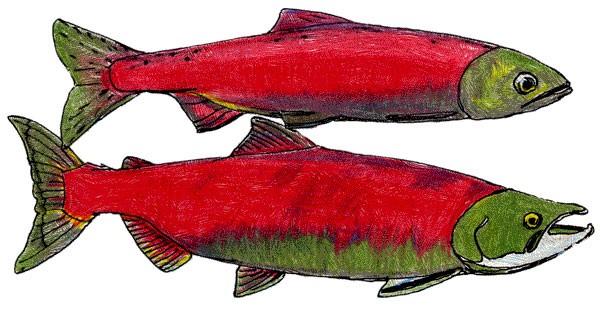
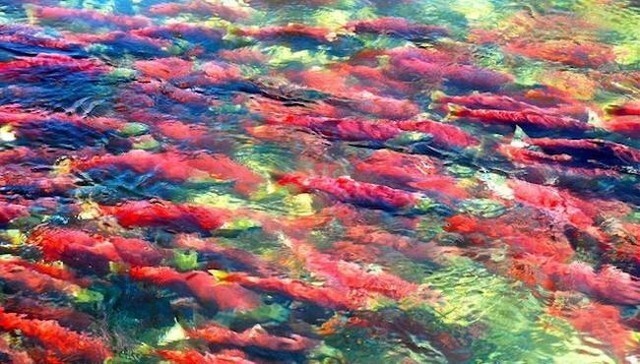
The life cycle of kokanee is a part of the Okanagan that is visible each year in the fall. When walking down a creek or stream from mid September to mid October, it is hard to miss the bright red fish migrating up. Okanagan Kokanee are unique because one may also see spawning kokanee from mid...
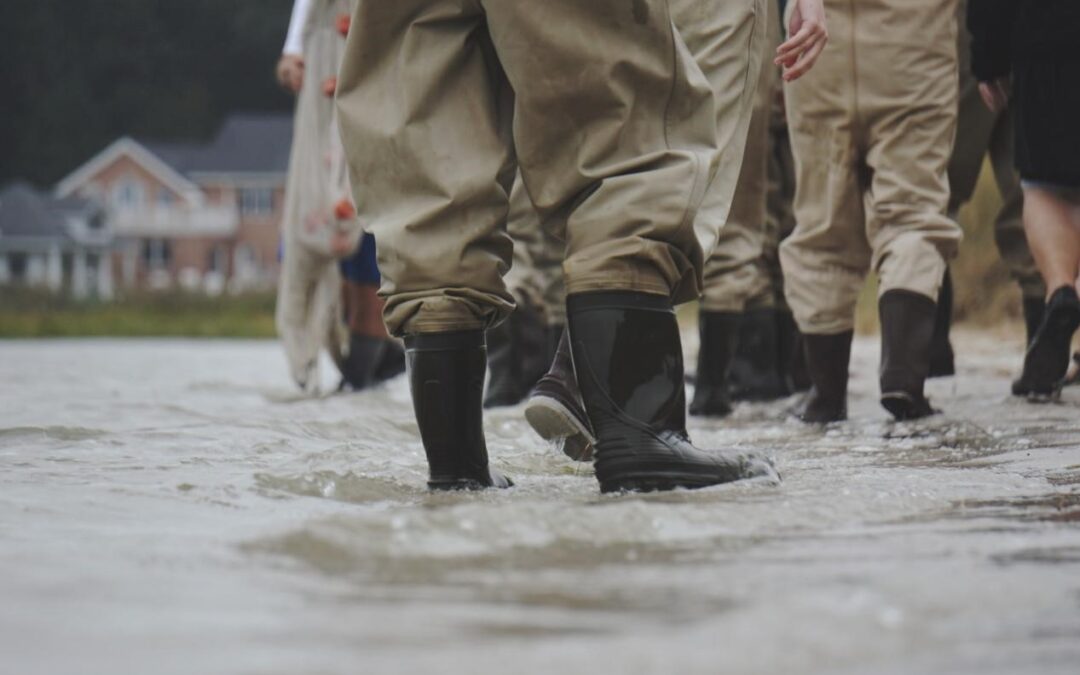
Flooding is common in the Okanagan. Our post ‘Flooding in Lake Country’ touches on this, as we noted how flooding occurred nearly every year in the early 1900s. In 1908, the Oyama canal was built, connecting Wood Lake and Kalamalka Lake. This lowered the lakes’ water levels, which one may think...
Kokanee, a form of landlocked salmon, are Indigenous to the Okanagan and at one time were abundant within Okanagan and Wood Lake. Kokanee adapted from sockeye salmon, who migrated from the Columbia River approximately 10,000 years ago after the last ice age. Once damming became prominent in the...
Three Grebes In past postings we’ve looked at many of the ducks that can be seen in our valley annually. Today let’s look at another family of diving birds, the grebes. Five species of grebe come to the Okanagan annually, plus one more occasionally, but only three are here in winter, and those...
Nancy Josland Dalsin In 2018 I was working as a volunteer at Mackie Lake House in Coldstream researching some of the artifacts. One of the artifacts that I was researching and trying to provenance was a beautiful, wall mounted artists jewel case designed by the famous Victorian period architect...
Lake Country is aptly named. Its four wards – Winfield, Okanagan Centre, Carr’s Landing and Oyama – have access to three major Lakes: Okanagan, Kalamalka, and Wood. The latter lake was named for pioneers Thomas (1841 – 1931) and Ellen Florence (nee Whelan) Wood (1861 – 1905), who settled in the...
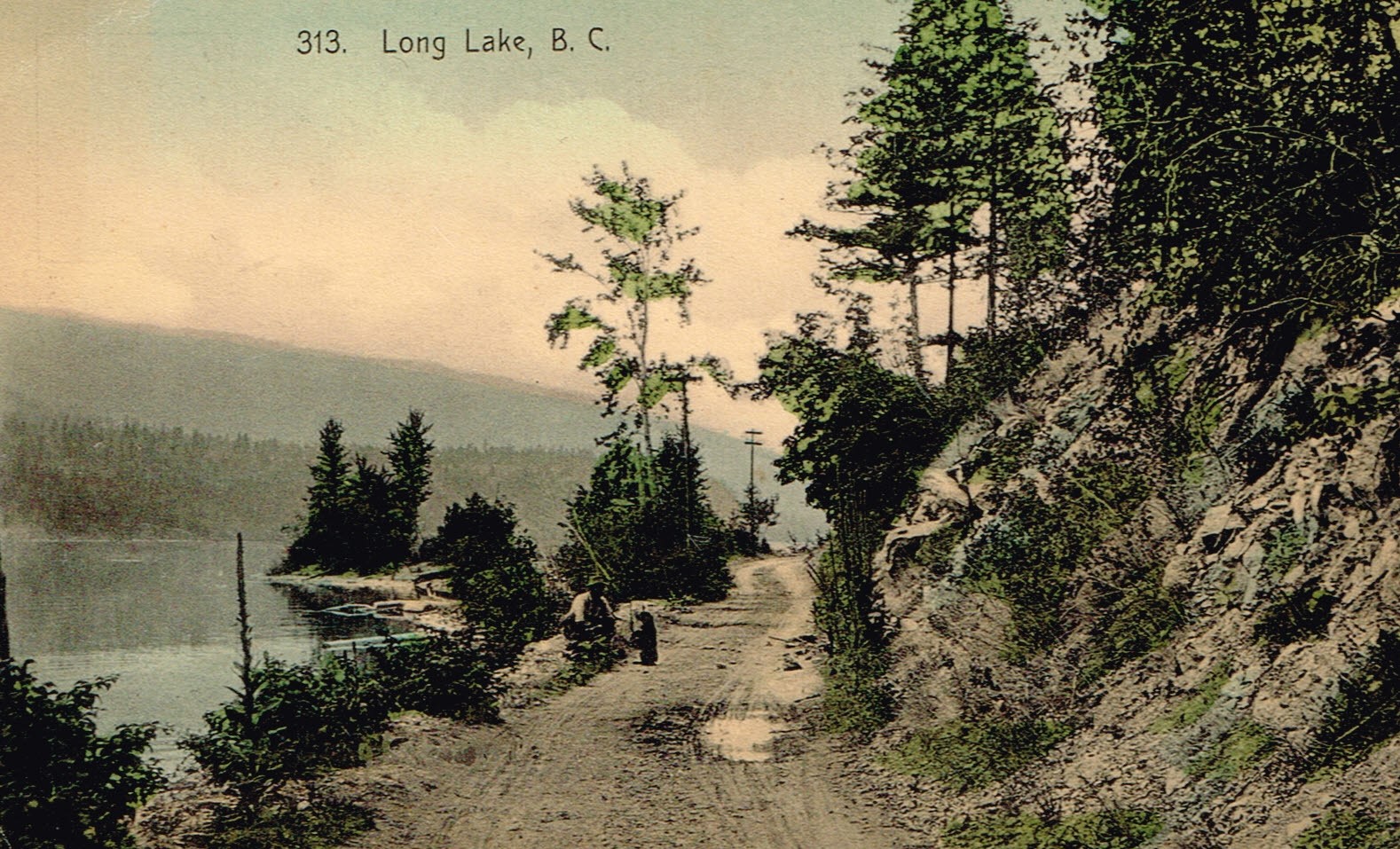
The fourth heritage marker panel examined in this series is entitled “Water before Rail,” dealing with the transport of fruit and other goods by water, roughly between the opening of the canal connecting Kalamalka and Wood lakes in 1908 and the completion of the Canadian National Railway (CNR)...
“The Railroad” was the name used on the earliest colonial maps, before the settlement in Lake Country, to refer to the isthmus at Oyama. The term certainly did not refer to any European-made feature; it had to refer to either a natural or an Okanagan First Peoples structure. What was it? Until the...