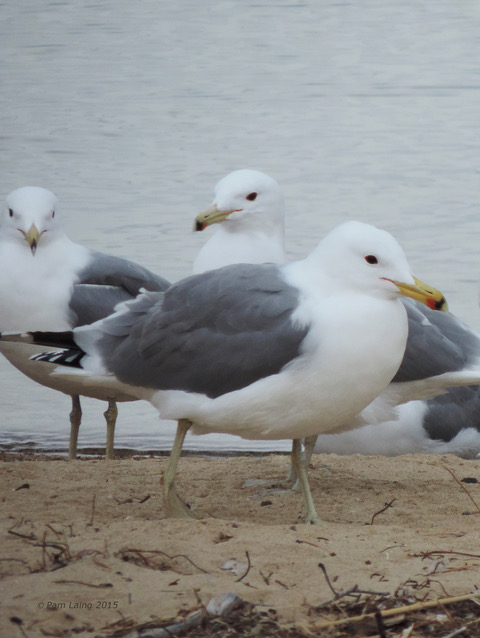
Don’t call them Seagulls! When we live in a valley with a number of lakes, large and small, as well as ponds, riversand creeks, (not to mention large landfill sites), we are bound to see gulls. Non-birdersoften refer to them as Seagulls. But we have no sea anywhere near us here! Gulls are foundall...
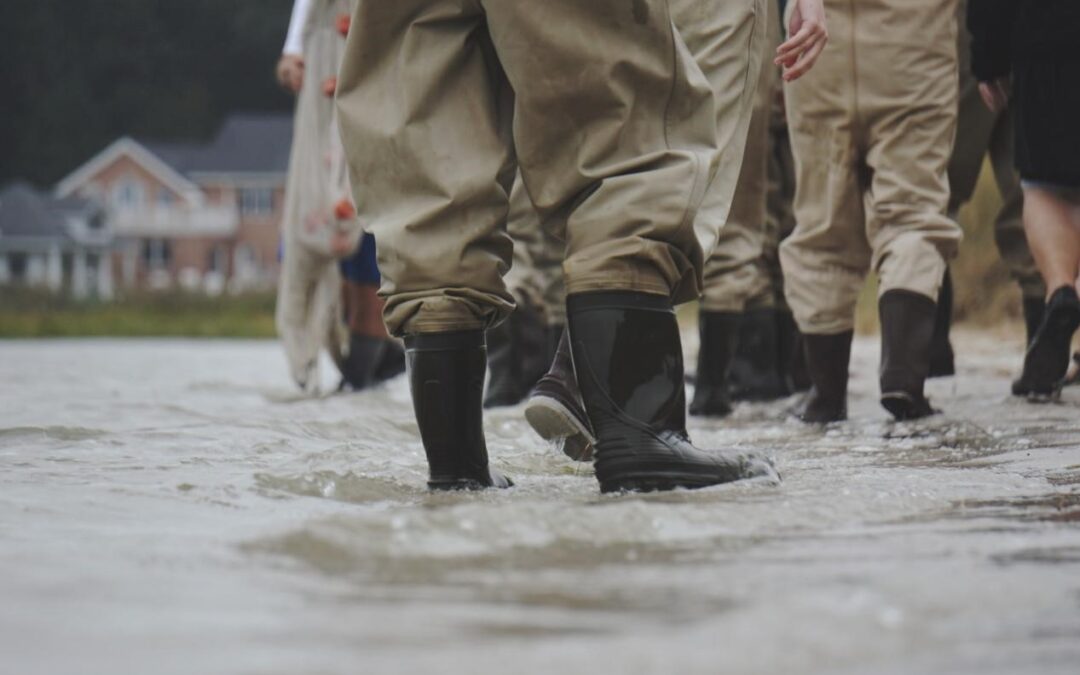
Flooding is common in the Okanagan. Our post ‘Flooding in Lake Country’ touches on this, as we noted how flooding occurred nearly every year in the early 1900s. In 1908, the Oyama canal was built, connecting Wood Lake and Kalamalka Lake. This lowered the lakes’ water levels, which one may think...
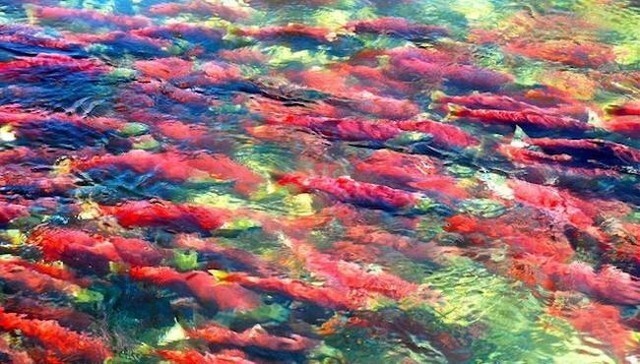
Kokanee, a form of landlocked salmon, are Indigenous to the Okanagan and at one time were abundant within Okanagan and Wood Lake. Kokanee adapted from sockeye salmon, who migrated from the Columbia River approximately 10,000 years ago after the last ice age. Once damming became prominent in the...
Written by Deana Asham. Named after the shape of its leaves, arrowleaf balsamroot is an Indigenous species to the Okanagan Valley. Being part of the same family as the sunflower, Asteraceae, they share a similar appearance; however, they flower slightly earlier than other members of their subtribe...
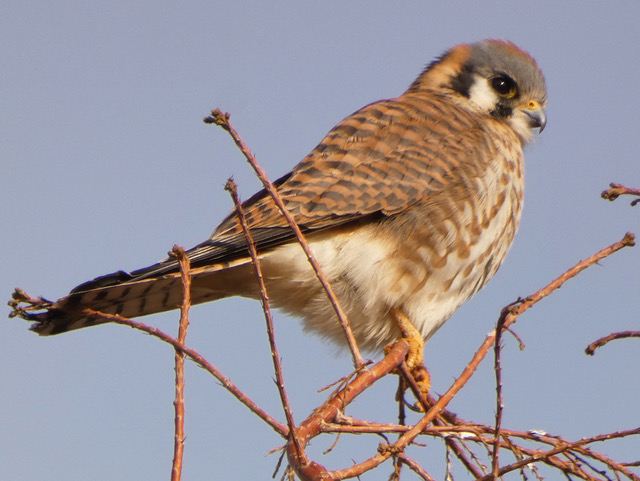
Two small falcons – Merlin and American Kestrel Peregrine falcons are probably the best-known of all falcons and we do see them occasionally in our valley. But we are much more likely to see one of the smaller falcons, Merlins and American Kestrels, especially in fall and winter. Let’s take a...
Kokanee, a form of landlocked salmon, are Indigenous to the Okanagan and at one time were abundant within Okanagan and Wood Lake. Kokanee adapted from sockeye salmon, who migrated from the Columbia River approximately 10,000 years ago after the last ice age. Once damming became prominent in the...
Written by Deana Asham. Named after the shape of its leaves, arrowleaf balsamroot is an Indigenous species to the Okanagan Valley. Being part of the same family as the sunflower, Asteraceae, they share a similar appearance; however, they flower slightly earlier than other members of their subtribe...
Here are some pictures of one of the oldest and original houses in Okanagan Centre still in existence. This home at the bottom of Camp Road was built by a German immigrant builder in 1889, so we were told, who shortly thereafter returned back to the old country. The home was subsequently...
Three Grebes In past postings we’ve looked at many of the ducks that can be seen in our valley annually. Today let’s look at another family of diving birds, the grebes. Five species of grebe come to the Okanagan annually, plus one more occasionally, but only three are here in winter, and those...
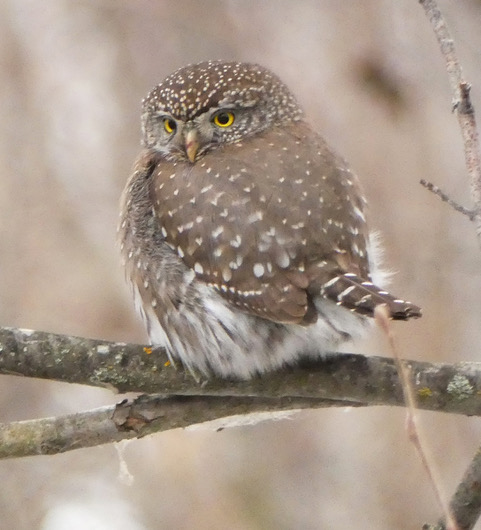
Four Owls Winter is undoubtedly the best season in which to see owls. This is partly because many trees are bare, enabling better sightings, if you are lucky. But it’s also because in winter some of the owls that usually breed and hunt in the upper forests come down occasionally to the...
Two small falcons – Merlin and American Kestrel Peregrine falcons are probably the best-known of all falcons and we do see them occasionally in our valley. But we are much more likely to see one of the smaller falcons, Merlins and American Kestrels, especially in fall and winter. Let’s take a...
More Icterids – Bullock’s Oriole and Western Meadowlark In the spring posting we looked at three of the family known as Icterids. Those three were Red-winged Blackbird, Brewer’s Blackbird and Yellow-headed Blackbird. Today let’s turn our attention to two more Icterids, namely the Bullock’s Oriole...