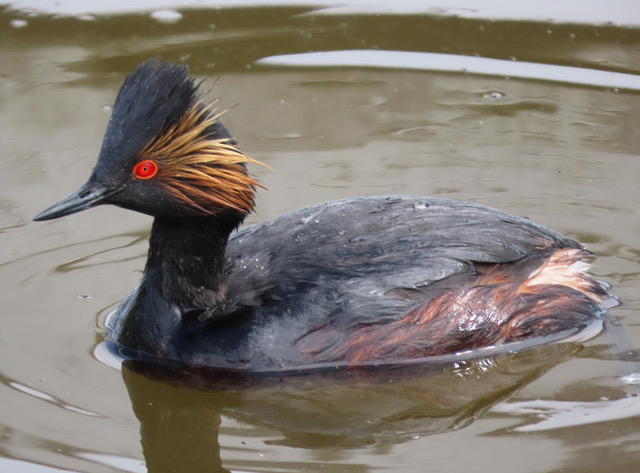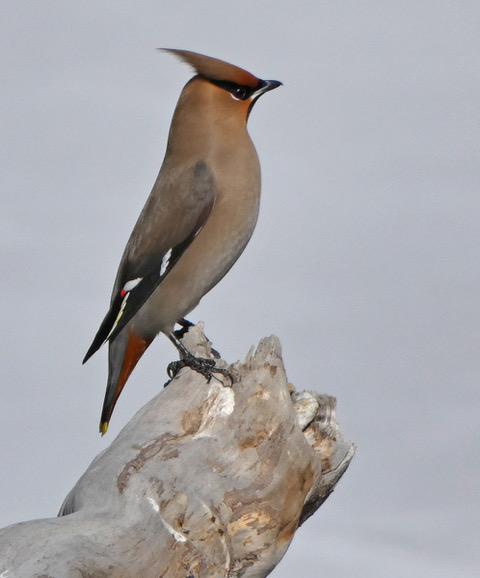
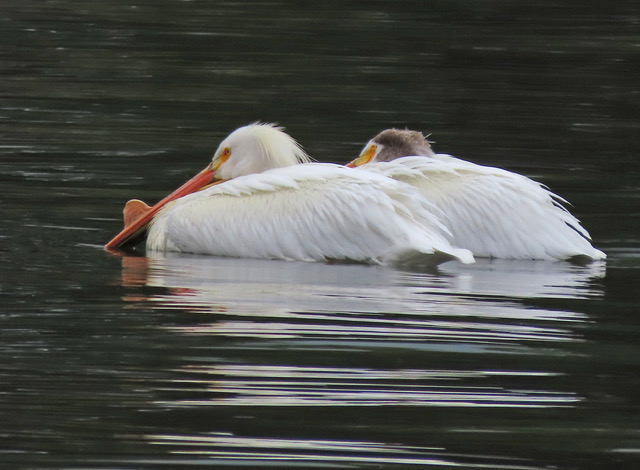
Today we’re going to take a look at an unmistakable species, easily recognized when seen. In our part of the Okanagan, however, they are not common, usually sighted in either April, May or June when they pass through northwards in migration. Huge flocks migrate together from their wintering...
Sing me your songs you Lake Country Girls… Bruce Coughlan’s song casts a spell over the listener as he regales us about the story of the Lake Country Applebox Belles. This raconteur always strives to be authentic, and is taking care to make sure that his latest song contains accurate details about...
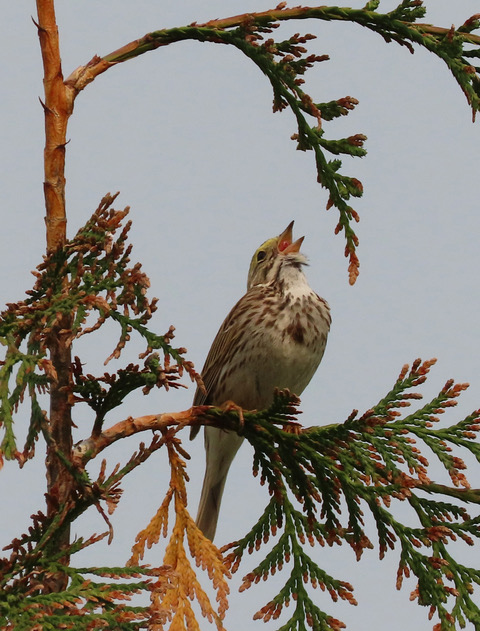
Spring migration, an overview In our valley, spring migration unfolds gradually, some birds arriving to breed here as early as February or early March, others not until June. Let’s take a look at which species have already arrived, which will come soon and which will leave us to spend our summer...
By Pam Laing American Crow and Common Raven, two familiar Corvids This winter started off unusually mild and snowless. You may have noticed, as I did, that many more crows than usual were lingering here instead of moving further south. Why? As always with birds, it’s all about finding food in...
Fall migration, an overview Flock of Sandhill Cranes migrating south Many birds migrate, as you know. In our valley, spring migration unfolds gradually, somebirds arriving to breed here as early as February, others not until June. And in the fallmigration doesn’t all happen at once either. Birds...
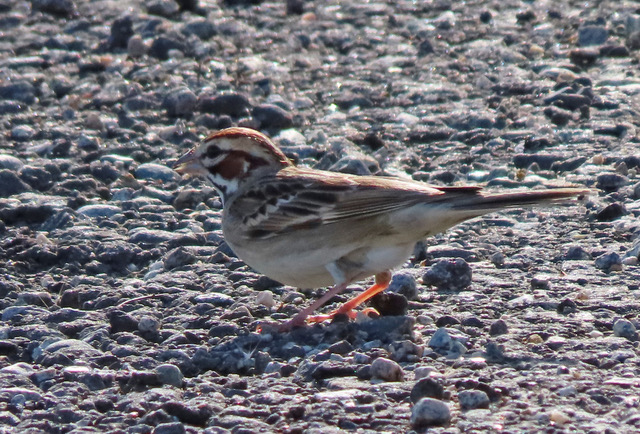
In our last post we looked at two North-American sparrows which turn up every spring tobreed here, Savannah and Vesper Sparrows. This time let’s look at a sparrow you will onlysee here in summer, the Lark Sparrow. Lark Sparrow, distant but easily recognizable This is one of the few places in...
When non-birders think of sparrows they think of the common House Sparrow, the birdthat says, “Cheep, cheep” in our hedges and is abundant in built-up areas. But HouseSparrows are not true sparrows, were introduced here from Europe and are in fact relatedto the North African weaver finches! Two...
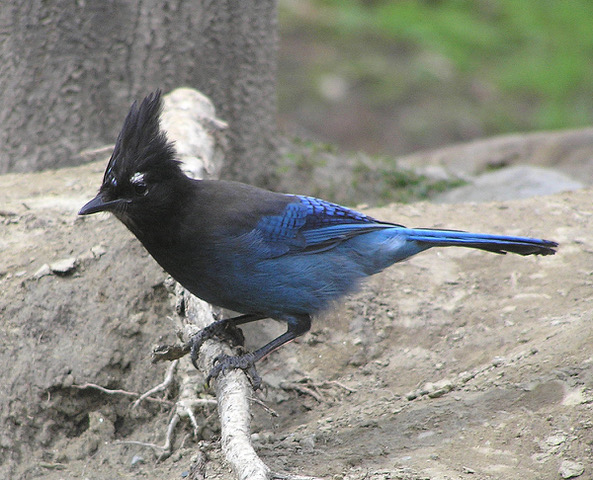
Our valley is home to two jays, members of the corvid family, (which includes crows,ravens, magpies and so on). These are the Canada Jay, formerly called the Gray Jay, and theSteller’s Jay. I wrote an article about Canada Jays in the fall of 2017 for this blog.* This timelet’s look at the other...
Written by Asha Chloe CraigExclusive for lakecountrymuseum.com In Central Okanagan Public Schools, there is a program where young students can learn from the land of the Okanagan Valley. Here, indigenous students have the opportunity to celebrate and learn about their cultural history, which...
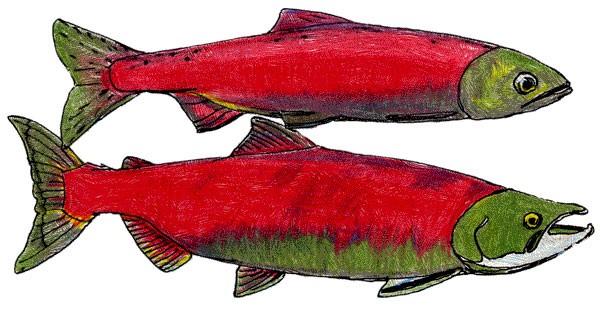
The life cycle of kokanee is a part of the Okanagan that is visible each year in the fall. When walking down a creek or stream from mid September to mid October, it is hard to miss the bright red fish migrating up. Okanagan Kokanee are unique because one may also see spawning kokanee from mid...
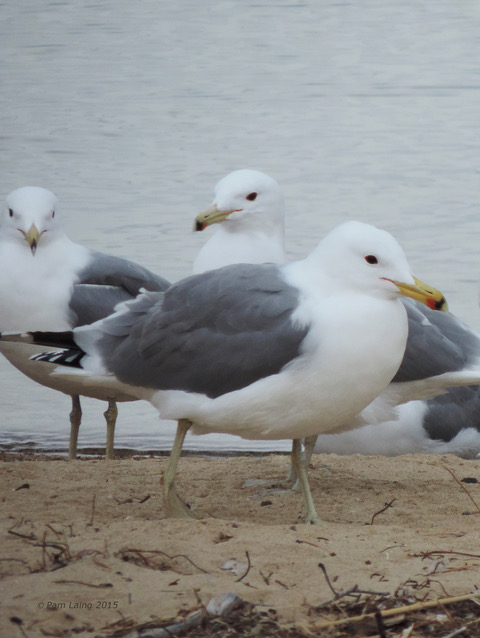
Don’t call them Seagulls! When we live in a valley with a number of lakes, large and small, as well as ponds, riversand creeks, (not to mention large landfill sites), we are bound to see gulls. Non-birdersoften refer to them as Seagulls. But we have no sea anywhere near us here! Gulls are foundall...
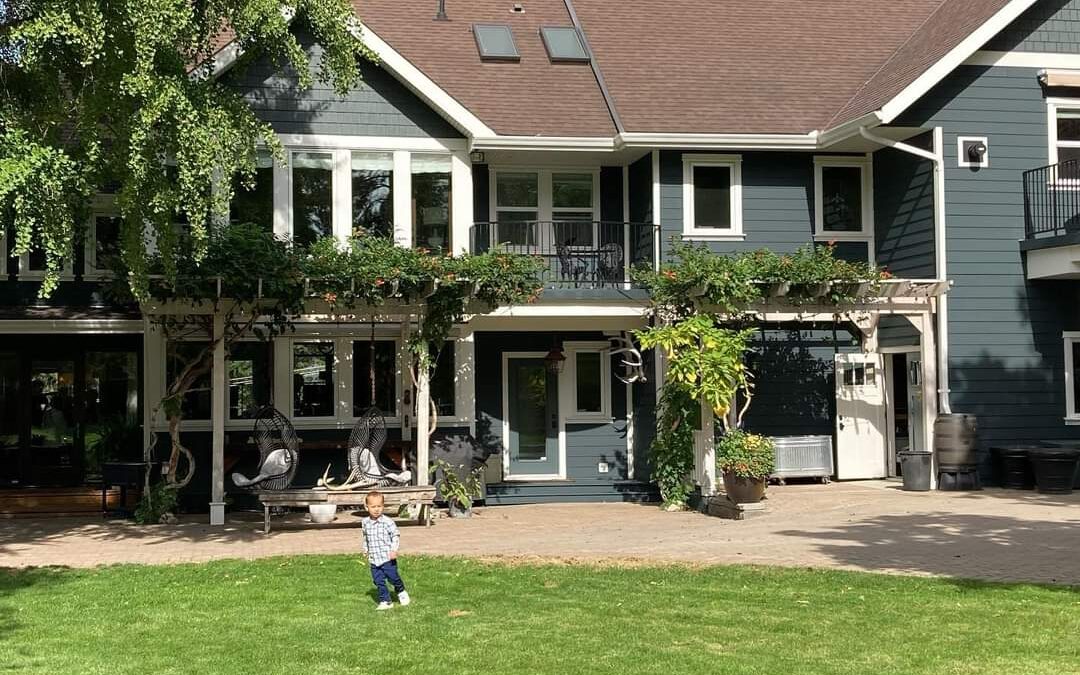
September 17, 2022 On a lovely September Day Virginia and Peter Palma kindly hosted a gathering of Kobayashi Descendents to dedicate their beautifully renovated home to the Kobayashi family. This kind gesture was appreciated by four generations of the family, who were represented at this lovely...